
Understanding Screen Technology: OLED vs. LCD
When deciding on a television, it is critical to understand the various screen technologies available. Two of the most prominent options are OLED (Organic Light Emitting Diode) and LCD (Liquid Crystal Display). While both technologies have their benefits, they cater to different viewing preferences and needs.
OLED technology is renowned for its ability to deliver deeper blacks, which results from its self-illuminating pixels. Each pixel can turn on and off independently, achieving an incredible contrast ratio that many users find appealing. This capability allows OLED displays to produce vibrant colors and an immersive viewing experience, making them particularly suitable for watching films and other high-definition content. Color accuracy is another significant advantage of OLED technology. It can reproduce hues more faithfully compared to LCD screens, delivering a richer image overall.
Conversely, LCD televisions use a backlight to illuminate the liquid crystals, which can lead to issues with blacks appearing more like dark grays. However, advancements in technology have improved LCD displays, and they are available in various types, including LED and QLED. LED (Light Emitting Diode) TVs are essentially LCDs that utilize LED backlighting, providing better energy efficiency and slimmer designs. Meanwhile, QLED (Quantum Dot LED) takes this a step further by using quantum dots to enhance brightness and color volume, offering improved performance over standard LCDs.
While both OLED and LCD technologies have unique strengths, the choice largely depends on individual viewing habits, room lighting conditions, and budget considerations. Understanding these differences is essential for making an informed decision when purchasing a new television in 2026.
Operating Systems: Smart TV Features to Consider
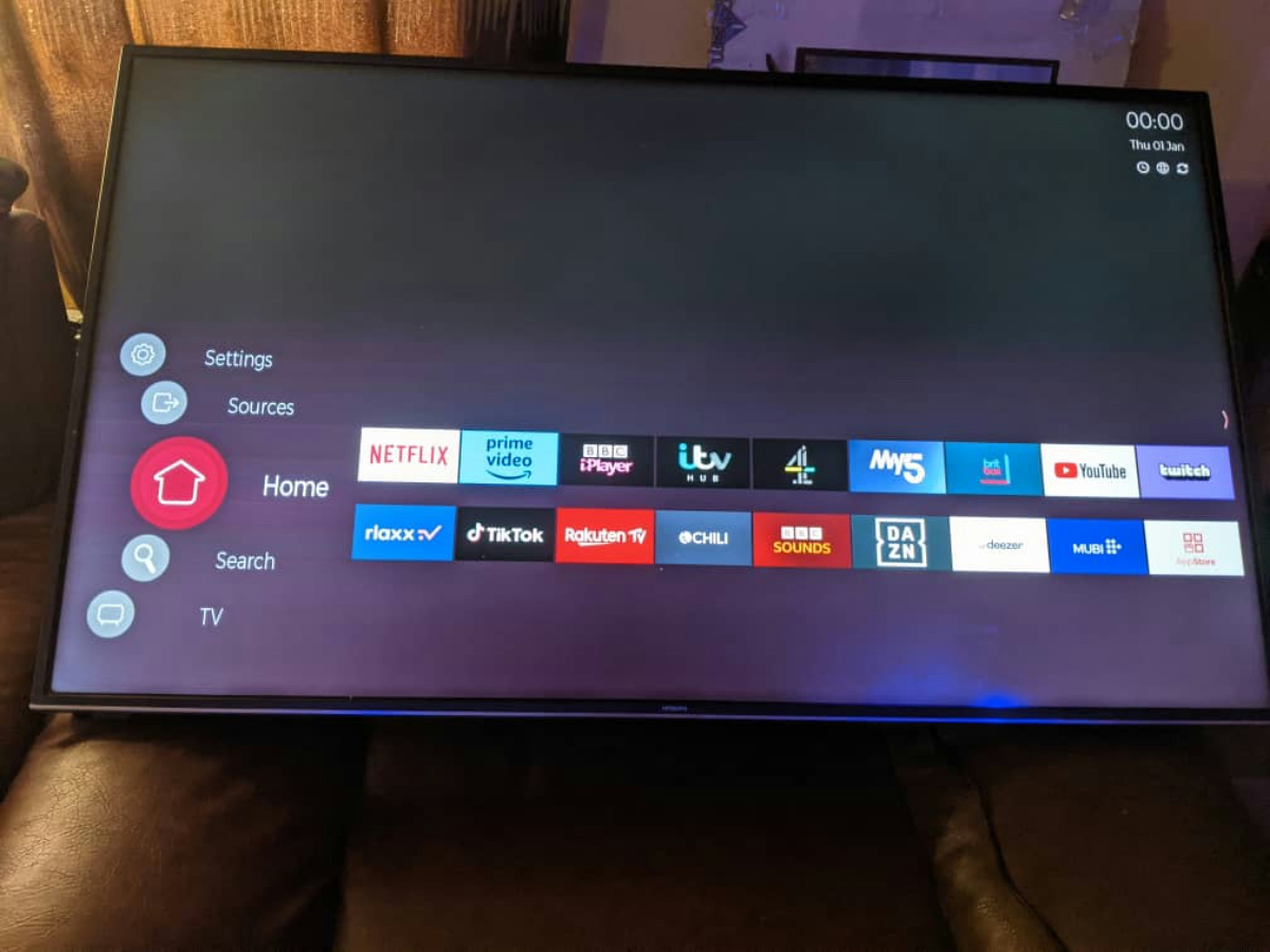
The landscape of smart TVs has evolved significantly, largely due to the variety of operating systems available in the market today. Each operating system provides a unique user interface, app availability, and overall usability, which can greatly influence consumer decisions when purchasing a TV. The most prominent operating systems include Google TV, Roku, and Samsung’s Tizen.
Google TV, an advanced iteration of Android TV, boasts an intuitive user interface that allows for personalized content recommendations based on user preferences. It offers access to a wide array of streaming apps, including well-known platforms such as Netflix, Hulu, and Disney+. One of the standout features of Google TV is its seamless integration with Google Assistant, enabling voice control and smart home management—an appealing aspect for those invested in the smart home ecosystem.
Roku, another key player in the smart TV operating system market, is renowned for its simplicity and ease of use. The Roku interface is clean and straightforward, making it user-friendly for individuals of all ages. The platform supports numerous streaming services and has a reputation for offering a diverse range of free channels. Its remote is uncomplicated, often featuring a dedicated button for popular apps, which enhances user convenience.
Meanwhile, Samsung’s Tizen operating system provides a sophisticated experience with its attractive Smart Hub layout. Users can easily navigate through apps, live TV, and games. Tizen’s voice assistant, Bixby, allows voice commands, though users may find its efficiency varies compared to competitors. Importantly, Tizen’s integration with Samsung smart devices is a plus for those already within Samsung’s ecosystem.
When selecting a TV, consideration of the operating system is crucial. Buyers should evaluate the user interface, the range of available apps, and how well each system aligns with their personal streaming habits and existing smart home devices. Understanding these factors will aid in making an informed decision for a suitable smart TV experience.
Frame Rates Explained: The Key to Smooth Viewing
Frame rates, measured in frames per second (fps), play a pivotal role in defining the quality of the viewing experience. Frame rates determine how many distinct images are displayed in one second of video playback. This aspect becomes particularly crucial when it comes to fast-paced content, such as sports broadcasts and action movies, where motion clarity is vital. A higher frame rate can lead to smoother transitions and more lifelike visuals, making it an important consideration when selecting a new television.
For most media types, frame rates vary significantly. Standard cinematic productions usually operate at 24 fps, while television shows and online streaming content often run at 30 fps. However, for viewers who frequently watch sports or enjoy high-action films, 60 fps or higher is generally recommended. This higher rate enhances motion fluidity, which is especially beneficial during rapid movements that can otherwise appear blurred. Many modern TVs even offer features to upscale lower frame rates to give the illusion of smoother motion.
When shopping for a new television, consumers should pay attention to the refresh rate, which is closely related to frame rates. The refresh rate indicates how many times per second the television updates the image on the screen. A TV with a refresh rate of 120Hz, for example, is capable of displaying content at 60 fps twice, thus smoothing out the motion significantly. Additionally, look for televisions equipped with motion enhancement technologies, which can help to reduce motion blur and provide a crisper picture during fast scenes.
In conclusion, understanding frame rates is essential for selecting the right TV for your viewing needs. By considering the type of content you watch most frequently and the compatible frame rates, you can ensure an enjoyable and visually satisfying experience.
Resolution Matters: The Importance of 4K and Beyond
In recent years, the television market has experienced significant advancements in resolution technology, transforming the viewing experience for consumers. The introduction of 4K resolution, which offers a pixel count of 3840 x 2160, has established itself as the new benchmark for high-definition televisions. This increase in pixel density results in sharper images and enhanced detail, making it the preferred choice among viewers. The fine detail and clarity of 4K resolution are particularly beneficial for large screens, as they minimize visible Pixelation, ensuring that images remain crisp even at close viewing distances.
Moreover, 4K content is increasingly available, with streaming services, Blu-ray discs, and broadcasting networks investing in 4K programming. This growing library of content makes acquiring a 4K television a logical choice for consumers looking to maximize their viewing experience. As televisions evolve, the integration of features like HDR (High Dynamic Range) further boosts picture quality, offering greater contrast and color accuracy that enhances the benefits of 4K resolution.
In tandem with 4K technology, 8K resolution has begun to gain traction within the market. With a staggering pixel count of 7680 x 4320, 8K televisions promise even more extraordinary detail. However, as of now, 8K content remains limited, and many viewers may find 4K more than adequate for their needs. The case for investing in 8K televisions can be compelling, especially for those who prioritize future-proofing their home entertainment setups. Nevertheless, for the average consumer, the current abundance of 4K content and the visual benefits it offers can still justify the investment. The decision to upgrade to 8K should be based on individual viewing habits and the extent to which one values having the highest available resolution.
Choosing the Right Size: Finding Your Perfect Fit
When it comes to purchasing a television, one of the most critical factors is selecting the appropriate size. This decision is influenced not only by the dimensions of the TV but also by the specifics of the room where it will be placed and the viewing distance from which it will be observed. It is essential to strike a balance between enjoying a cinematic experience and ensuring that the TV’s size is suitable for the space.
The first step in determining the ideal TV size is measuring the viewing distance. A commonly accepted guideline suggests that the optimal distance for viewing is approximately 1.5 to 2.5 times the diagonal size of the screen for full HD TVs. For 4K Ultra HD televisions, this distance can be reduced to about 1 to 1.5 times the screen size. For instance, if you sit approximately 8 feet away from the screen, a 55 to 70-inch TV could provide the best experience.
Additionally, the layout of the room should be taken into account. Factors such as furniture arrangement, the height at which the TV will be mounted, and the overall aesthetics of the room can significantly affect the viewing experience. A well-placed TV should not only be at eye level when seated, but it should also complement the design of the space. A larger TV may dominate a small room, while a smaller TV may get lost in a larger format space.
Moreover, consider the primary purpose of the television. If the TV is primarily for watching movies and sports, a larger screen size may enhance the engaging experience. Conversely, for casual viewing, a smaller size might be more appropriate. Understanding the priorities of the viewing experience will guide buyers in selecting a TV size that enhances enjoyment without overwhelming the space.
Budgeting for Your Television: Cost Considerations
When considering the purchase of a television, determining an appropriate budget is crucial given the wide range of options available today. Televisions typically fall into three categories based on price: budget, mid-range, and high-end models. Budget televisions can generally range from $200 to $600, while mid-range models can cost between $600 and $1,200. High-end televisions, particularly those with advanced features such as OLED or QLED technology, often start around $1,200 and can exceed $3,000.
For consumers on a limited budget, it is essential to evaluate which features are most important to them. For instance, LED televisions offer decent performance at a lower cost, making them a popular choice for budget-conscious shoppers. Features such as 4K resolution have become increasingly common in lower-priced models, often providing a satisfactory viewing experience without breaking the bank. One should also consider the sizes available, as larger screens typically come at a premium.
Mid-range televisions strike a balance between price and features. These models often boast better picture quality, enhanced color accuracy, and smarter functionalities. Investing a bit more in a mid-range model can lead to a notably improved viewing experience, particularly for home theaters or frequent movie watchers. Features like HDR support and a higher native refresh rate can significantly impact visual performance.
On the other hand, high-end televisions are designed for those who seek premium features such as superior picture quality, extensive smart capabilities, and advanced technologies. Consumers interested in professional gaming or high-resolution cinematic experiences may find these features worth the investment. It is advisable to prioritize features based on individual needs and preferences when deciding on a budget.
Additional Features to Look For
While choosing a television in 2026, beyond just resolution and size, several additional features can significantly enhance your viewing experience. One critical aspect is High Dynamic Range (HDR) support. HDR technologies, including HDR10, Dolby Vision, and HLG, deliver a broader spectrum of colors and contrast, which elevates the image quality far beyond standard dynamic range TVs. When assessing HDR capabilities, it is advisable to consider the peak brightness a television can achieve, as this will affect how well it displays highlights and dark scenes.
Audio performance is another essential feature that should not be overlooked. Many televisions come with built-in Dolby Atmos support or advanced sound processing technologies, giving the viewer a more immersive experience. However, integrating external sound systems or soundbars can often improve audio quality significantly. Assess the audio capabilities, especially if you plan to use your TV for movies or gaming, where a richer sound can enhance the overall experience.
Smart home compatibility is also becoming a vital consideration. Many modern televisions have built-in smart assistants or compatibility with external devices like Google Home or Amazon Alexa. This compatibility allows for seamless integration into a smart home ecosystem, enabling users to control their TV, adjust settings, or even search for content using voice commands easily.
Finally, gaming capabilities, particularly for avid gamers, should be taken into account. Features such as low input lag, Variable Refresh Rate (VRR), and support for HDMI 2.1 can dramatically improve gaming quality. TVs with these features offer smoother gameplay and a more responsive experience, crucial for fast-paced games. Thus, evaluating these additional features will help you choose a television that truly fits your viewing habits and lifestyle.
Comparing Brands: Which Ones Offer the Best Value?
As consumers navigate the complex landscape of television brands in 2026, it becomes essential to evaluate which brands provide the best value for money. The television market is dominated by several key players, including Samsung, LG, Sony, and TCL, each with its own unique strengths and weaknesses. Understanding these distinctions not only aids in making an informed purchase but also enhances the overall viewing experience.
Samsung, widely recognized for its innovative QLED technology, excels in delivering vibrant colors and impressive brightness. Their high-end models often rank among the best in terms of performance; however, they come with a hefty price tag. In contrast, LG’s OLED televisions are renowned for their exceptional contrast ratios and deep blacks, captivating viewers with stunning picture quality. While both brands are formidable in performance, customer satisfaction ratings indicate that Samsung often receives slightly higher marks for durability and after-sales service.
On the other hand, Sony has carved out a niche with its impressive processing capabilities, particularly in upscaling lower-resolution content, which appeals to movie enthusiasts. However, comparable to Samsung’s premium offerings, Sony televisions can be financially intensive, making them less accessible for budget-conscious consumers. In recent years, TCL has emerged as a strong competitor, known for delivering remarkable value without compromising quality. Their affordable pricing, combined with commendable features and functionality, makes TCL particularly appealing for those seeking budget-friendly options without significant sacrifices in performance.
Ultimately, a judicious comparison of strengths and weaknesses across these brands will provide consumers with a clearer picture of which televisions deliver optimum performance and value. By analyzing customer satisfaction ratings alongside technology advancements, potential buyers can make better-informed decisions when selecting their next television set in 2026.
Final Thoughts: Making Your Decision
As you embark on your journey to purchase a television in 2026, it is essential to consider several key factors that will influence not only your viewing experience but also your overall satisfaction with your investment. First and foremost, you must determine your requirements and preferences. Consider the size of the room where the TV will be placed, as well as the viewing distance. A larger screen may be suitable for spacious living areas, while a more compact model might be more appropriate for smaller rooms.
Next, evaluate the resolution and display technology that aligns with your viewing habits. With advancements in OLED and QLED technologies, the difference in picture quality can be significant. Determine if you prioritize sharp images in fast-paced scenes or vibrant colors and contrasts. Additionally, consider features such as HDR compatibility and refresh rates, which can further enhance your viewing experience.
Budget is equally important when making your decision. Research available options within your price range and remember that the latest technology often comes at a premium, but it is possible to find mid-range options that still fulfill your needs without compromising too much on quality. Make a list of features that are non-negotiable for you, as this can help narrow down your choices effectively.
Before finalizing your decision, make an effort to visit retail stores where you can view different models in person. This hands-on experience can provide you with a better understanding of the size, aesthetics, and technology in action. In addition to physical store visits, consulting online reviews can offer valuable insights concerning product performance and customer satisfaction.
Ultimately, striking a balance between features, budget, and personal preferences will guide you toward the perfect television for your home. Taking the time to reflect on these priorities will enable you to make a well-informed decision, enhancing your viewing pleasure for years to come.